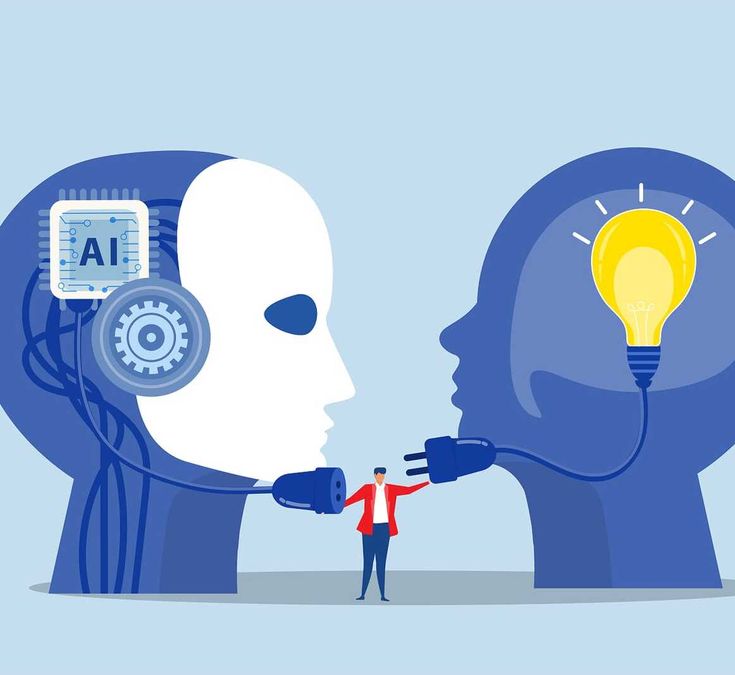
Artificial Intelligence is one of the most talked-about technologies in the world today. From smartphones and online searches to healthcare and business automation, AI is becoming part of our daily lives. Because of its rapid growth, many people have questions about how AI will affect the future.
Some wonder if AI could become dangerous, while others are curious about how tools like ChatGPT actually work. People also ask whether AI will replace jobs or create new opportunities.
Making Artificial Intelligence Simple and Understandable for Everyone
In this blog, we will explore five of the most common questions people search on Google about AI and try to answer them in a simple and human way.
1. Is AI Dangerous for Humans?
Artificial Intelligence itself is not dangerous. It is simply a technology created by humans to solve problems, analyze data, and automate tasks.
However, like any powerful technology, the impact of AI depends on how it is used. If used responsibly, AI can help improve healthcare, education, transportation, and many other areas of life. For example, AI can help doctors detect diseases earlier or help companies make better decisions.
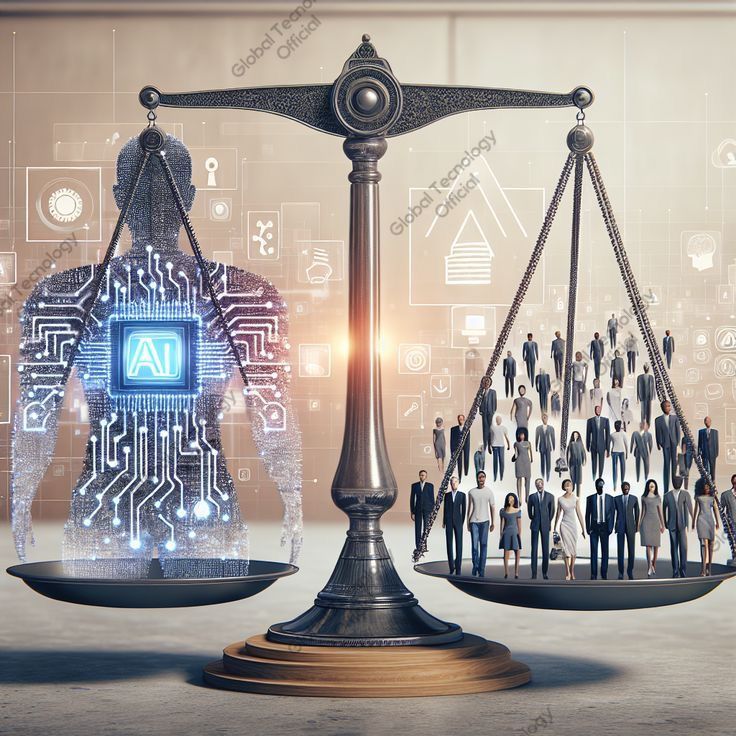
AI VS Human
The real concern is not the technology itself but the misuse of AI. If AI systems are used without proper regulations or ethical guidelines, they could lead to privacy issues, misinformation, or unfair decision-making.
This is why many experts believe that governments, companies, and researchers must work together to create clear rules for responsible AI development.
2. Will AI Control the World in the Future?
The idea that AI will one day control the world is something we often see in movies and science fiction stories. In reality, today’s AI systems are far from having that level of power or independence.
AI systems are designed to perform specific tasks. They do not have emotions, consciousness, or independent goals. Every AI tool still depends on human input, data, and supervision.
Rather than controlling the world, AI is more likely to become a supporting technology that helps humans solve complex problems more efficiently. It can help scientists analyze large amounts of data, assist businesses in decision-making, and improve everyday services.
The future of AI will largely depend on how humans choose to guide and control the technology.
3. How Does ChatGPT Use Artificial Intelligence?
ChatGPT is an AI system designed to understand and generate human-like text. It is built using advanced machine learning models that have been trained on large amounts of text data.
Through this training process, the system learns patterns in language—how words, sentences, and ideas connect with each other. This allows it to respond to questions, write articles, explain concepts, and even help with creative writing.
you need a creative partner, a coding assistant, or a deep-thinking tutor.
When someone asks a question, the AI analyzes the request and generates a response based on patterns it learned during training. While it may seem like a conversation with a human, it is actually a complex prediction system that generates helpful text responses.
4. What Jobs Will AI Replace in the Future?
AI is expected to automate certain types of tasks, especially those that are repetitive or data-driven. Jobs that involve routine work—such as basic data entry, simple customer support, or repetitive manufacturing tasks—may gradually become more automated.
However, history shows that new technologies also create new types of jobs. For example, the rise of the internet created roles such as digital marketers, app developers, and social media managers.
Similarly, AI is already creating new opportunities in areas like:
AI development and programming
Data analysis and machine learning
AI system management
Digital content creation
Technology consulting
Jobs that require creativity, critical thinking, emotional intelligence, and complex decision-making will continue to rely heavily on human skills.
5. Can AI Create Images and Videos?
Yes, AI can now generate images, videos, music, and other types of creative content. Modern AI systems can create artwork, design graphics, generate realistic images, and even produce short videos.
These technologies work by analyzing large datasets of images or videos and learning patterns within them. Once trained, the AI can generate new visuals based on text descriptions or creative prompts.
Sam-Altman-OpenAI-DSC02881
This capability has opened new possibilities for designers, marketers, filmmakers, and content creators. AI tools can help speed up the creative process and inspire new ideas.
At the same time, it also raises questions about copyright, authenticity, and responsible use of AI-generated media.
Conclusion
Artificial Intelligence is transforming the way we live and work, and it is natural for people to have questions about its impact. While concerns about safety, jobs, and control are understandable, AI is ultimately a tool created by humans.
The real challenge is ensuring that this powerful technology is developed and used responsibly. With proper regulation, ethical standards, and human oversight, AI has the potential to improve lives, solve complex problems, and create new opportunities for the future.
Rather than fearing AI, the better approach is to understand it, guide it, and use it wisely for the benefit of society.