In today’s digital world, Artificial Intelligence (AI) has become one of the most talked-about technologies. From smartphones and social media to online shopping and navigation apps, AI is everywhere. Many people use AI daily without even realizing it.
But the real question is: What exactly is Artificial Intelligence and how is it transforming our lives?
In this blog, we will understand AI in simple and human language so anyone can easily learn about it.
What is Artificial Intelligence?
Artificial Intelligence refers to technology that allows machines and computers to think, learn, and make decisions similar to humans.
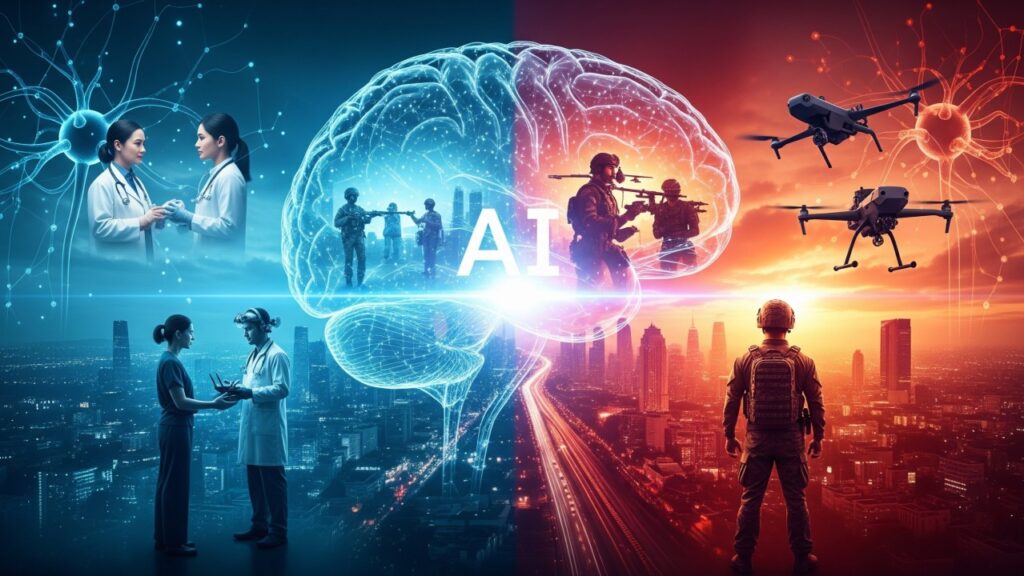
In simple terms, AI means making machines intelligent enough to perform tasks that normally require human intelligence.
Some common examples of AI include:
- Voice assistants like Siri and Alexa
- Movie and video recommendations on streaming platforms
- Smart chatbots used by websites
- Self-driving cars
- Facial recognition systems
These technologies work using AI algorithms that analyze data and improve over time.
How Does AI Work?
Artificial Intelligence mainly works through three important technologies.
1. Machine Learning
Machine Learning allows computers to learn from data without being directly programmed for every task.
For example, when you search for products online, shopping websites start recommending similar items based on your previous searches.
This happens because the system learns your preferences.
2. Deep Learning
Deep Learning is a more advanced form of machine learning. It uses neural networks inspired by the human brain to analyze complex patterns in large amounts of data.
Deep learning is commonly used in:
- Image recognition
- Voice recognition
- Medical diagnosis
- Autonomous vehicles
3. Natural Language Processing (NLP)
Natural Language Processing helps machines understand and communicate in human language.
This technology is used in:
- AI chatbots
- Language translation tools
- Virtual assistants
- Customer support automation
NLP helps machines interact with humans more naturally.
Examples of AI in Everyday Life
AI is already part of our daily routines. Some common examples include:
- Navigation apps that show the fastest routes based on traffic
- Online shopping platforms recommending products you might like
- Streaming platforms suggesting movies or music based on your taste
- Banking systems detecting fraudulent transactions
These systems analyze huge amounts of data to provide smarter results.
Benefits of Artificial Intelligence
Artificial Intelligence offers many advantages across industries.
✔ Faster decision-making
✔ Automation of repetitive tasks
✔ Improved accuracy in data analysis
✔ Better customer experiences
✔ Advanced healthcare diagnosis
For example, AI-powered tools can help doctors detect diseases earlier and more accurately.
Challenges and Risks of AI
Despite its benefits, AI also comes with certain concerns.
❌ Job displacement due to automation
❌ Data privacy risks
❌ High development costs
❌ Ethical concerns about machine decisions
Because of these challenges, experts emphasize the importance of responsible and ethical AI development.
The Future of Artificial Intelligence
The future of AI looks extremely promising. In the coming years, AI is expected to transform many industries including:
- Healthcare
- Education
- Transportation
- Finance
- Manufacturing
Technologies such as self-driving cars, smart cities, and personalized learning systems will rely heavily on AI.
AI will not only improve efficiency but also open the door to new innovations.
Conclusion
Artificial Intelligence is rapidly shaping the future of technology and society. From simplifying daily tasks to solving complex global problems, AI has the potential to transform the way we live and work.
Learning about AI today can help individuals and businesses stay prepared for tomorrow’s digital world.
AI is not just a trend — it is the foundation of the future.
Frequently Asked Questions
1. What is the full form of AI?
AI stands for Artificial Intelligence.
2. Will AI replace human jobs?
AI may automate some jobs, but it will also create many new career opportunities.
3. Is it difficult to learn AI?
Learning AI requires some knowledge of programming and data, but many beginner-friendly resources are available today.